Energy & Utilities Workforce Training Reimbursement Programs
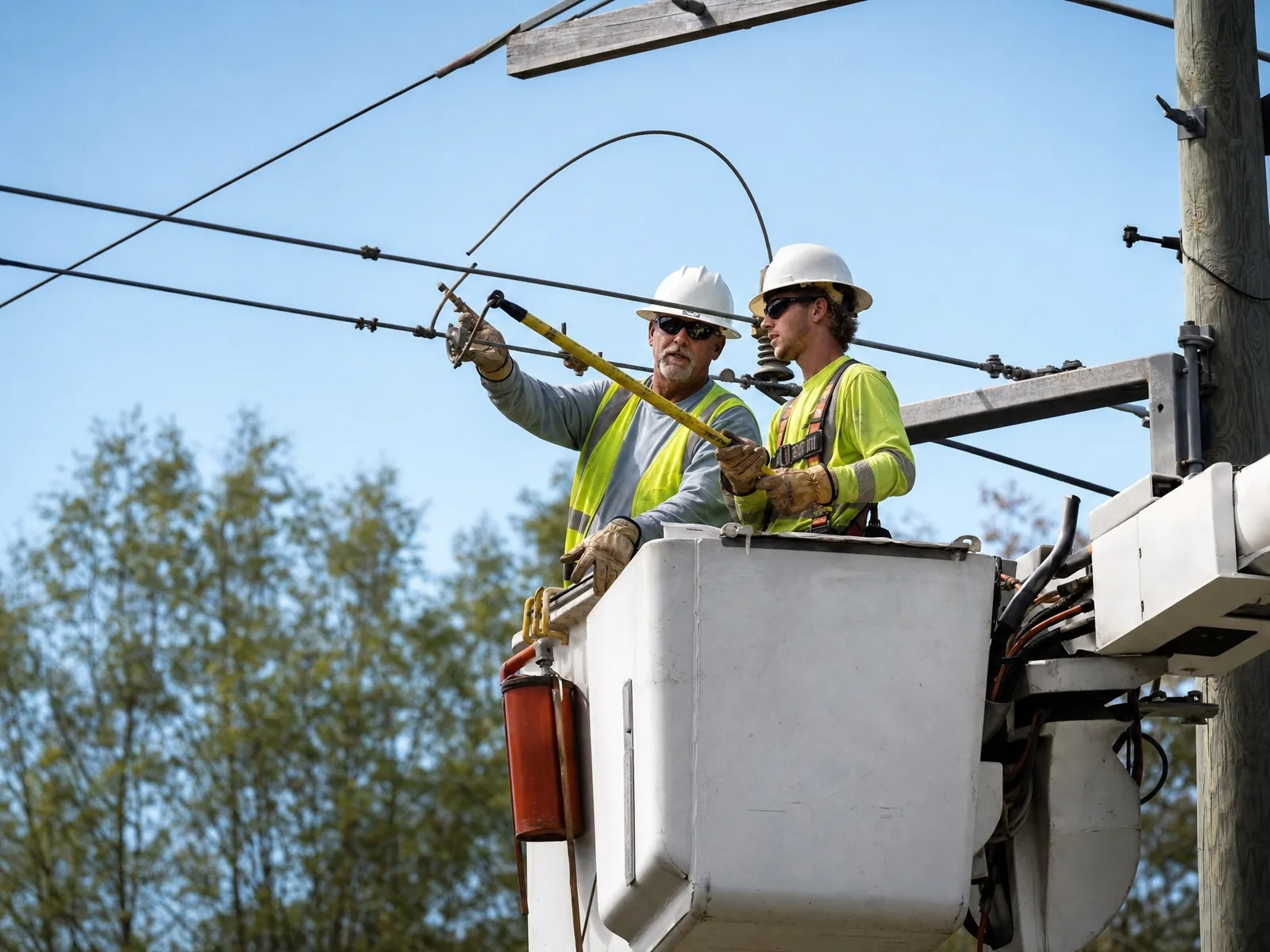
Linework, gas-distribution, and renewable-energy installer pipelines are heavily subsidized. Federal Apprenticeship Tax Credit plus state grants make this one of the highest-yield industries for reimbursement. Average post-training wage floor: $26–$48/hr.
Reimbursa Eligibility Scanner
Tell us your state, industry, and recent training spend. We'll show you which workforce-reimbursement programs you likely qualify for — with estimated recoverable dollars — in about 30 seconds. No email required.
- Industry pre-filled: energy-and-utilities
Priority programs for energy & utilities employers
- 01Apprenticeship FundingState and federal incentives for sponsoring registered apprentices, including tax credits and per-apprentice grants.
- 02On-the-Job Training (OJT)WIOA-backed wage reimbursement that pays employers 50–75% of a new hire's wages during a structured training period.
- 03Customized TrainingEmployer-designed training projects co-funded by state workforce dollars when the curriculum is specific to the employer's needs.
- 04Workforce Tax CreditsFederal and state tax credits (WOTC, AI Training Credit, state-level apprenticeship credits) claimed via the employer's tax return.
- 05State Training GrantState-administered grant programs (CA ETP, MA WTFP, MI Going PRO, FL QRT, NC NCEdge) that reimburse employer training costs.
Which credentials qualify
Reimbursement is almost always tied to a recognized, industry-specific credential. For energy & utilities employers, the common ones are:
Which programs fund energy & utilities training
In priority order for Energy & Utilities: apprenticeship grant, OJT, customized training, tax credit, state training grant. Each program has its own rules and cost-share requirements. OJT pays a percentage of new-hire wages during structured training. Incumbent Worker Training reimburses upskilling for existing employees, with employer cost-share. Credential reimbursement (TechCred, NCEdge, MI Credential, etc.) pays per-credential earned.
Credentials that commonly qualify
• NABCEP (solar) • Lineman certifications • OSHA-30 Construction
Stacking strategy for Energy & Utilities employers
The highest-yield approach for energy & utilities employers is to combine OJT (new hires) with Incumbent Worker Training (existing employees) plus credential reimbursement for industry-recognized certifications. Federal tax credits (WOTC for qualified new hires, AI Training Credit for AI-related upskilling) layer on top. The hard rule: no two programs can claim the same hours of training for the same employee.
A note on WOTC
WOTC depends on Congress renewing it. We record your eligibility now so you can claim once it passes. A typical mid-sized energy & utilities employer with 100 employees leaves $80,000 to $250,000 per year in workforce-reimbursement funding unclaimed. The reason is almost never eligibility; it is process. Employers do not know which lanes are open in their state, do not pre-enroll before training, or fail documentation gates that could have been caught with a preflight check. Run the scanner above filtered to energy & utilities to see your active lanes. Reimbursa charges nothing for the scan. Membership starts at $499/yr, and every filing carries a flat, published fee: $350 to $1,000 depending on the program, never a percentage of your money. The scan is free once and unlocks recurring monthly value, because every change to a workforce-board rules pack flows back into your preflight checklist automatically. That is what compounds: a one-time setup that catches every future denial in the same class before submission, across every program you participate in, every year the rules change. A typical mid-sized energy & utilities employer with 100 employees leaves $80,000 to $250,000 per year in workforce-reimbursement funding unclaimed. The reason is almost never eligibility; it is process. Employers do not know which lanes are open in their state, do not pre-enroll before training, or fail documentation gates that could have been caught with a preflight check. Run the scanner above filtered to energy & utilities to see your active lanes. Reimbursa charges nothing for the scan. Membership starts at $499/yr, and every filing carries a flat, published fee: $350 to $1,000 depending on the program, never a percentage of your money. The scan is free once and unlocks recurring monthly value, because every change to a workforce-board rules pack flows back into your preflight checklist automatically. That is what compounds: a one-time setup that catches every future denial in the same class before submission, across every program you participate in, every year the rules change.
Reimbursa monitors workforce-reimbursement programs across every state and writes machine-checkable rules packs that prevent claim rejections. See membership pricing.